Walk and Talk Therapy
in Atlanta
The Benefits of Walk and Talk Therapy

Finding Peace When Life Feels Heavy
Life can sometimes feel like too much. Trying to meet expectations and appear “fine” can cause anxiety, disconnect, and emotional exhaustion. Maybe you find yourself overthinking every decision, feeling stuck in self-doubt, or trying so hard to please everyone else that you have lost sight of your own needs. You may be grieving a loss, struggling with depression, or feeling restless in relationships that once brought you comfort.
For teens, life’s challenges can be even more confusing. Social pressures, academic demands, and the constant comparison of social media can weigh heavily—especially when it feels like no one truly understands. Parents often feel helpless watching their teen pull away or shut down, unsure how to help or what to say.
Whatever has brought you here, please know there is hope. Therapy can be a place to slow down, breathe, and begin to reconnect with yourself. And sometimes, the best way to begin that process is not by sitting across from someone in an office—it’s by taking a walk.
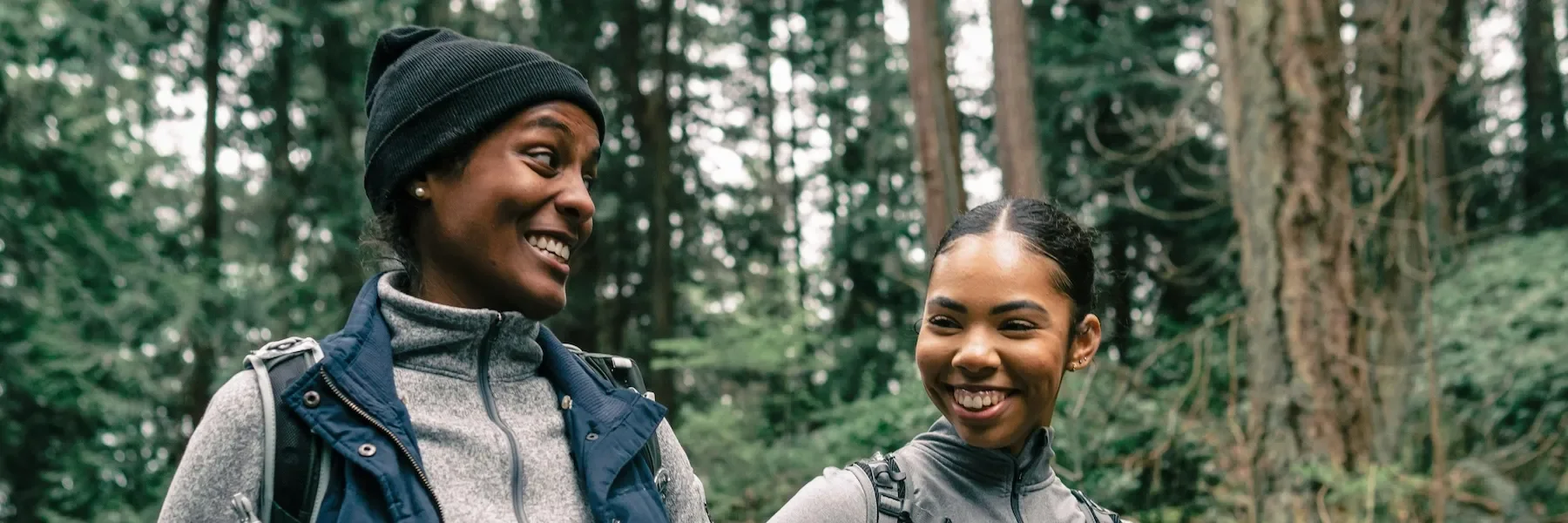
Walk and talk therapy provides a natural way to feel grounded through movement, breathe fresh air and just have a conversation.
You Are Not Alone: Understanding What You’re Feeling
Feeling anxious, sad, or stuck doesn’t mean something is wrong with you—it means you’ve been coping the best you can with difficult circumstances. When we spend most of our days indoors, behind screens, or constantly rushing from one task to the next, our minds and bodies rarely get the chance to reset. The nervous system stays in a state of alert, and stress becomes the “new normal.” The National Alliance on Mental Illness (NAMI) reports that anxiety disorders are the most common mental health concern in the United States. Over 40 million adults in the U.S. have an anxiety disorder. Meanwhile, approximately 7% of children aged 3-17 experience issues with anxiety each year. Most people develop symptoms before age 2. (5)
For most of us, this can show up as racing thoughts, exhaustion, irritability, or trouble sleeping. You might feel disconnected from your body or emotionally numb, struggling to find motivation or joy in things that once mattered. Over time, this disconnection can make it harder to trust yourself, express emotions, or feel safe slowing down.
It’s important to know—these reactions are deeply human. They are your body’s way of protecting you from pain and overwhelm. But with the right kind of support, it’s possible to reconnect with yourself, find emotional balance, and rediscover a sense of calm.
The American Psychological Association (APA) has supplied evidence that found walk and talk therapy to offer benefits for anxiety, depression, and post-traumatic stress symptoms. (1) In another study highlighted by the APA, participants reported feeling improved self-awareness, self-acceptance, and freedom of expression after walk-and-talk sessions. (2) They also emphasized outdoor therapies created a better collaboration between therapist and patient and more interconnectedness between the mind, body, and natural world. (3) These results show that combining therapy with nature helps clients relax and fosters meaningful change.

Nature-Based and Walk and Talk Therapy Restore Balance and Reduce Anxiety

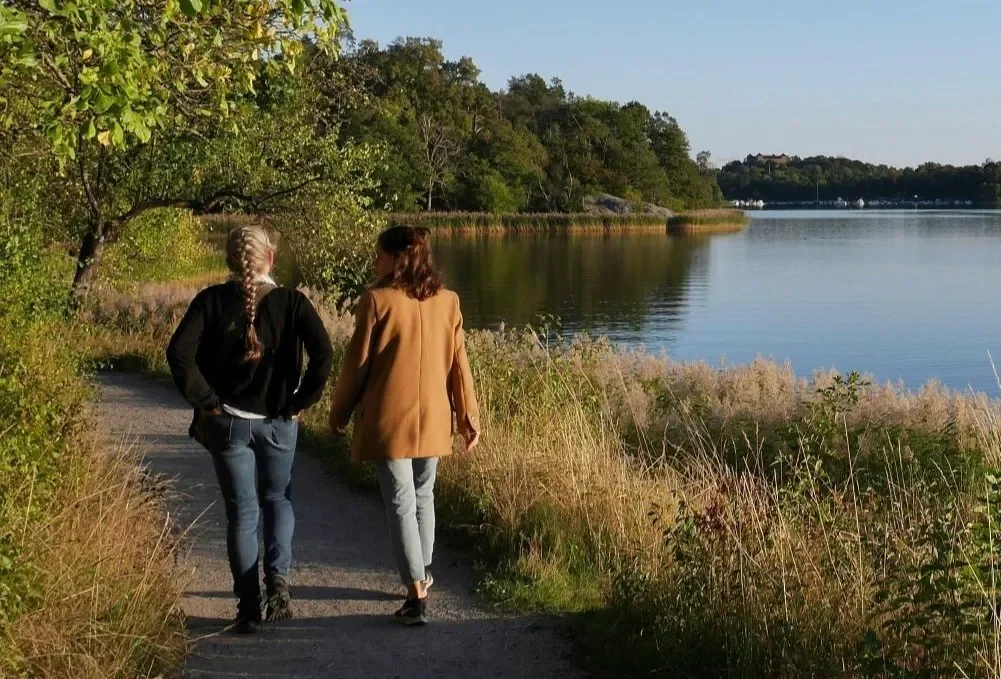
Nature-based therapy and walk and talk therapy offer a refreshing, somatic way to experience growth and renewal. Rather than sitting face-to-face in an office, we step outside—walking side by side on the Beltline or another outdoor space. The movement itself helps release tension, and being surrounded by nature creates an environment that naturally supports reflection and calm.
In walk and talk therapy, movement becomes a metaphor for progress. The gentle rhythm of walking helps organize thoughts, lower anxiety, and promote openness. Research shows that walking increases blood flow to the brain, enhances mood, and reduces symptoms of depression and stress. (4) When combined with therapy, it can help clients feel more at ease, allowing conversations to flow more freely.
Nature-based therapy engages the body in the healing process. Our nervous systems respond to natural surroundings—sunlight, birdsong, the scent of trees, the sound of water—in ways that calm and restore. This is what makes this approach a form of somatic-based therapy, connecting mind and body in a deeply grounded way. Clients often find that being outdoors helps them access emotions they’ve kept buried, see challenges from new perspectives, and feel a sense of renewal they hadn’t felt in a long time.
In sessions, we might use mindfulness techniques, grounding exercises, or gentle psycho sensory techniques such as Havening or Tapping, to notice what’s happening in your body while we talk. The goal isn’t just to discuss what’s wrong—it’s to experience how your body can be part of your healing.
Common Concerns That Might Be Holding You Back
“I’m not sure if I’ll feel comfortable talking while walking.”
Many people worry that walking will be distracting or awkward at first. Moving usually encourages openness. Without the pressure of direct eye contact, conversations tend to feel more natural, relaxed, and less intimidating.
Even when therapy sounds appealing, it’s normal to have doubts or fears before starting. Here are a few common concerns clients often share:
“I don’t know if I’m ‘outdoorsy’ enough for this.”
You don’t need to love hiking or nature to benefit from walk and talk therapy. The goal isn’t physical fitness—it’s emotional well-being. We go at your pace. The focus is always on what feels safe and supportive for you.
“I’ve tried therapy before, and I’m not sure it worked.”
That’s understandable. Sometimes, traditional talk therapy can feel repetitive, especially if you’re a person who processes emotions through movement or sensory experiences. By engaging both the mind and body, nature-based therapy can offer a new way of connecting and healing—one that feels more dynamic and freeing.
What Sets Us Apart

Our work is distinguished by a deep understanding of the body-mind connection. Rather than limiting therapy to what's wrong, we help clients explore their experiences, reconnect with their bodies, and develop a sense of safety and balance from within.
For teen girls, that might mean helping them manage their anxiety, perfectionism, and social pressure in ways that build confidence and self-trust. For women, it might involve navigating grief, infertility, relationship transitions, or rediscovering purpose during a new season of life.
Every session is tailored to meet you where you are—whether that means sitting our office, walking on the Beltline, or combining both approaches as we go.

Take the First Step Toward Feeling Grounded Again
You don’t have to have everything figured out to begin. Sometimes the first step—literally and emotionally—is simply deciding you’re ready to try something new. Walk and talk therapy offers a space to move, breathe, and reconnect with yourself in ways that sitting still sometimes can’t.
If you’re ready to feel calmer, clearer, and more connected, we’d love to walk with you—both on the Beltline and through whatever challenges you’re facing.
Let’s take that first step together. Reach out today to schedule your walk and talk therapy session.
Recent Posts