Why I Offer Walk and Talk Therapy
A Core Memory: Finding Sanctuary in the Vermont Woods
I was nine years old, spending another summer camping on the mountain in Lincoln, Vermont. While my older sisters hated the experience—complaining about the bugs, the lack of amenities, and the isolation—I found something there that I couldn't name at the time but desperately needed. While my childhood held its share of trauma, those mountains became my sanctuary—a place where I could breathe, think, and simply be.
I have vivid memories of sitting by the river, watching beavers methodically build their dams, stick by stick. I was mesmerized by their patience and persistence. The sound of water rushing over rocks, the earthy smell of pine needles and damp soil, the way sunlight filtered through the canopy—all of it awakened my senses in a way nothing else could. In those moments, the heaviness I carried would lift, if only temporarily. My mind would quiet. My body would relax. I could finally feel present.
Those experiences weren't just enjoyable childhood memories. They were survival. They were my first introduction to what I now understand as nervous system regulation, mindfulness, and the profound healing capacity of nature and being outside. The forest didn't ask me to explain my pain or fix anything. It simply held space for me to exist, to heal, to find my own rhythm again.
While my sisters couldn't wait to leave those camping trips behind, I held onto them. Those summers on the mountain in Lincoln, looking back, taught me that healing doesn't always look the way we expect it to, and that sometimes what saves us is the very thing others want to escape.
The Science Behind Nature and Healing
Now, as a licensed therapist specializing in therapy for women, I understand why those moments in the Vermont woods were so transformative. Research consistently shows that spending time in nature reduces cortisol levels, lowers blood pressure, decreases anxiety and depression, and improves overall mental health. When we are outdoors, our nervous systems shift from a state of stress and hypervigilance to one of calm and connection.
For women especially, who often carry the weight of multiple responsibilities and societal pressures, nature offers something desperately needed: permission to slow down, to disconnect from the endless demands, and to reconnect with themselves.
Why Walk and Talk Therapy?
Traditional therapy has its place—the contained space of an office, the consistency of four walls, and the privacy of a closed door. But for many of my clients, the traditional therapy setting can sometimes feel constraining. Sitting face-to-face across from someone while discussing difficult emotions can intensify feelings of vulnerability or self-consciousness.
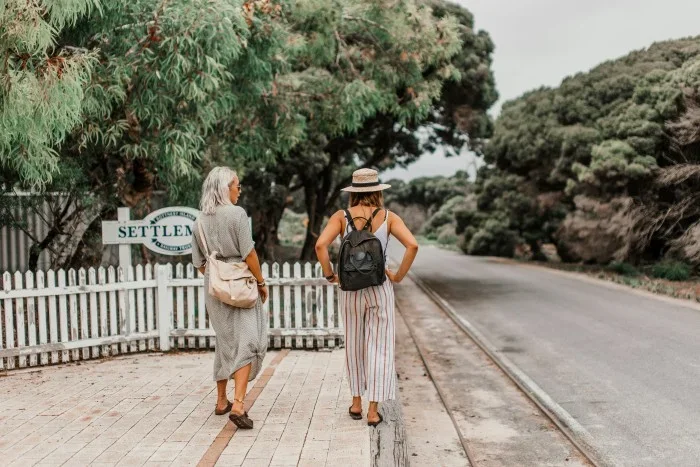
Walk and talk therapy offers something different. When we walk side by side rather than sitting face to face, it can ease the intensity of eye contact and create a more natural flow of conversation. Movement itself helps process emotions and reduce anxiety. And being outdoors activates all our senses, helping us stay grounded in the present moment.
My Approach to Walk and Talk Therapy in Atlanta
I offer walk and talk therapy sessions on the Atlanta Beltline, bringing the healing power of nature and movement into my work providing therapy for women. The Beltline offers a beautiful, accessible outdoor space where we can walk, talk, and do the important work of therapy while experiencing the benefits of fresh air, natural light, and gentle movement.
During our walk and talk sessions, we might:
Process difficult emotions while moving through the physical space
Practice mindfulness by noticing the sights, sounds, and sensations around us
Use the rhythm of walking to help regulate the nervous system
Work through anxiety or stress while getting the natural mood boost from exercise
Explore feelings that might be harder to access in a traditional office setting
The Benefits I've Witnessed
In my practice I've seen remarkable shifts when clients engage in walk and talk therapy. Women who felt stuck in traditional sessions find that movement helps them access emotions more freely. Clients dealing with anxiety report feeling calmer and more regulated. Those struggling with body image or disconnection from their bodies find that walking helps them reconnect with physical sensations in a positive way.
One client told me that walking while we talked helped her feel less "on the spot" and more like we were partners working through things together. Another shared that being outside reminded her of her own childhood memories of finding peace in nature—memories she had forgotten in the business of adult life.
Bringing My Own Healing Full Circle
Offering walk and talk therapy feels like bringing my own healing journey full circle. Those summers camping on the mountain in Lincoln—breathing in the forest air, listening to the river, watching the patient work of the beavers—taught me that healing doesn't always happen in traditional spaces. Sometimes it happens in movement, in fresh air, and in the gentle rhythm of putting one foot in front of the other.
What my sisters experienced as discomfort, I experienced as freedom. That contrast taught me something important that informs my work in counseling for women today. We all heal differently, and what one person finds challenging, another might find transformative. There's no single right way to do therapy, just as there was no single right way to experience those camping trips.
The heightened awareness I experienced in nature as a child—the way all my senses came alive, the way my nervous system finally found calm—is something I want to offer my clients. In a world that constantly demands our attention and productivity, nature reminds us to slow down, to notice, to simply be present with ourselves.
Who is this for?
Walk and talk therapy can be particularly beneficial for women who:
Feel constrained or anxious in traditional office settings
Process emotions better when moving
Struggle with sitting still due to anxiety or restlessness
Want to incorporate physical activity into their wellness routine
Feel disconnected from their bodies
Experience seasonal depression and need more time outdoors
Are working through trauma and need alternative ways to feel safe while processing
Simply prefer being in nature
Practical Considerations
Walk and talk therapy sessions on the Atlanta Beltline are structured similarly to traditional sessions—same length and same therapeutic approach. However, confidentiality is limited in public spaces. We have our session while walking instead of sitting. This format offers a wonderful supplement to traditional therapy for women, allowing us to integrate the healing benefits of nature and movement into our therapeutic work together.
An Invitation
If you have ever felt most yourself while walking in nature, if you have experienced that sense of calm that comes from fresh air and movement, if you have your own memories of finding peace outdoors—walk and talk therapy might be a meaningful addition to your healing journey.
As someone who found her own refuge in the woods of Vermont, I understand the profound impact nature can have on our mental health and wellbeing. Through my practice offering counseling for women in Atlanta GA, I'm honored to create space for that same healing on the Beltline. Sometimes the most powerful therapy happens not in an office, but in the rhythm of our footsteps, the fresh air filling our lungs, and the quiet permission nature gives us to simply be ourselves.
Reading Recommendations:
The Nature Reset by Kathleen McIntyre